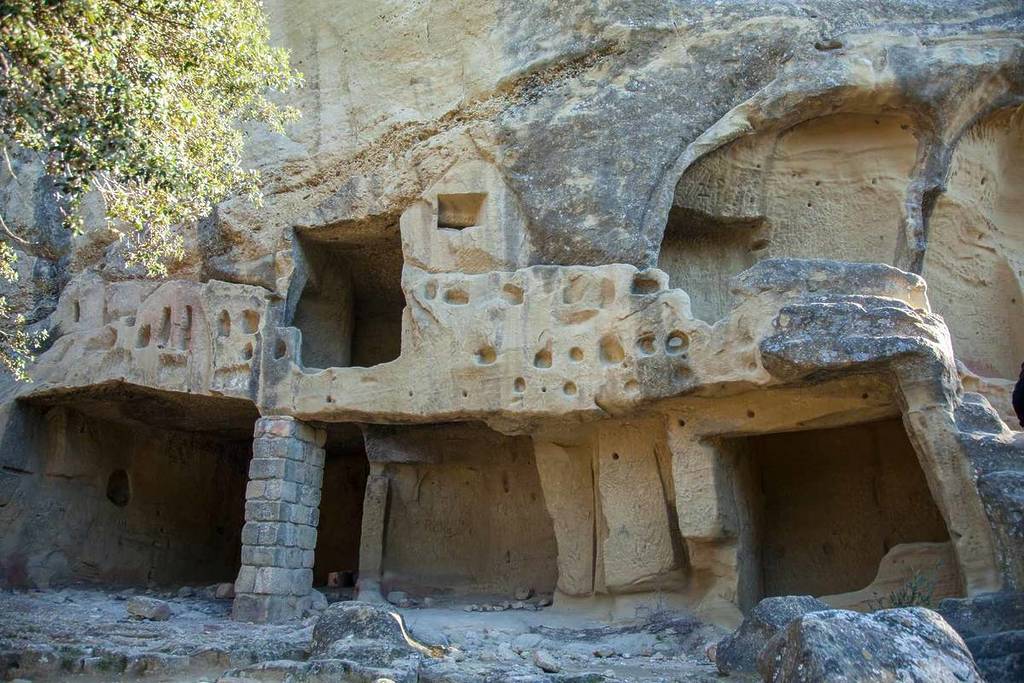

How about taking a trip… back in time? Less than an hour from Marseille, the village of Lamanon hides a historic site as spectacular as it is surprising. Nestled in a rocky cirque in the heart of nature, the Calès Caves blend nature, heritage, and adventure. After several years of safety work, this iconictroglodyte village has been open to the public again since 2025. An excellent excuse to set out and explore this fascinating setting, which appeals to history buffs and families looking for a unique outing alike.
An exploration into the heart of the rock
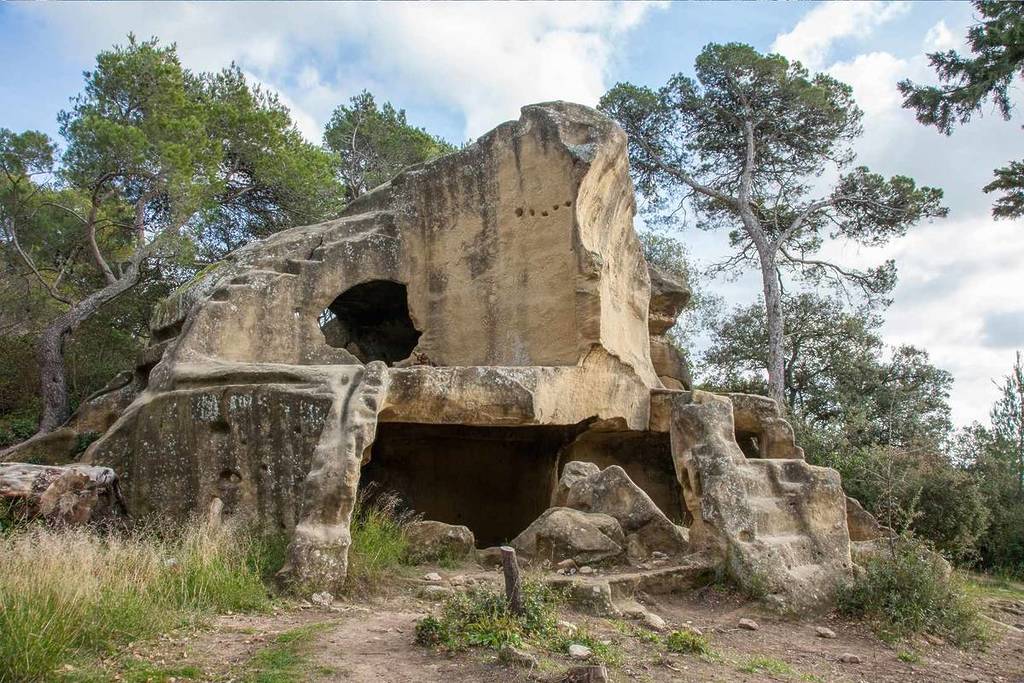
Directly from the center of Lamanon or from the small parking lot on Chemin de la Source, it takes just a few minutes’ walk to reachthe Church of Saint-Denis in Calès. This Romanesque building marks the start of the walk. The trail then quickly leads to the famous caves. Here begins a striking encounter with the limestone rocks where, over the centuries, people have carved out an incredible network of cave dwellings.
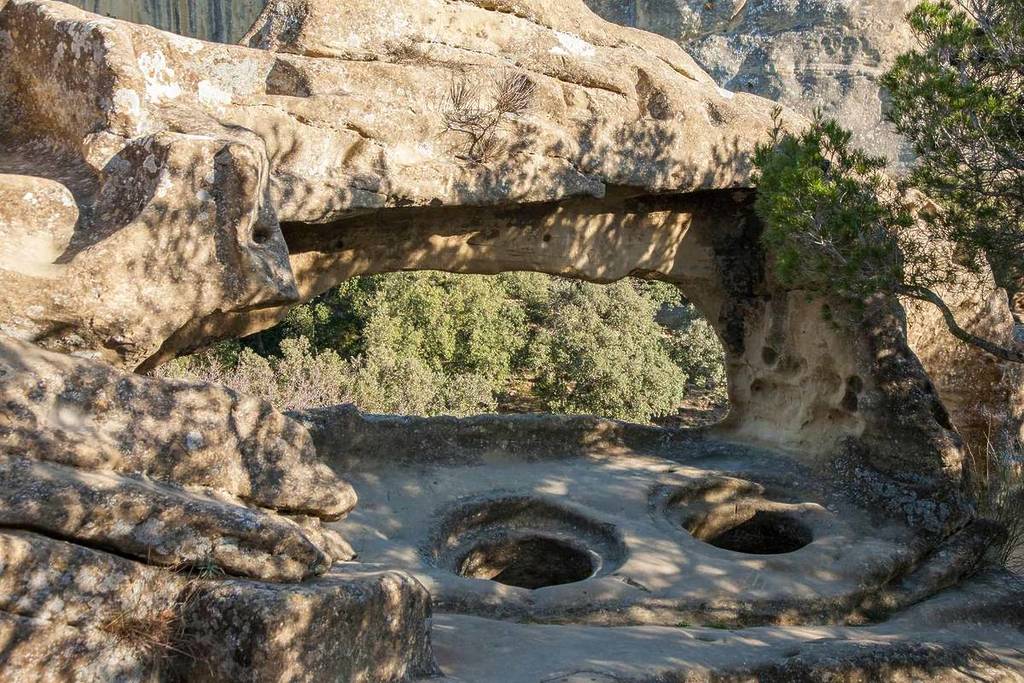
Now secured, these cavities immediately spark curiosity. You enter these stone galleries with fascination to wander through the vestiges of the past. The site features over a hundred caves spread across several levels, some of which are connected by openings orancient staircases carved directly into the rock. Upon closer inspection, you’ll discover storage niches, basins, drainage channels, and even the anchors for the old wooden beams.
A troglodytic site to explore with the family
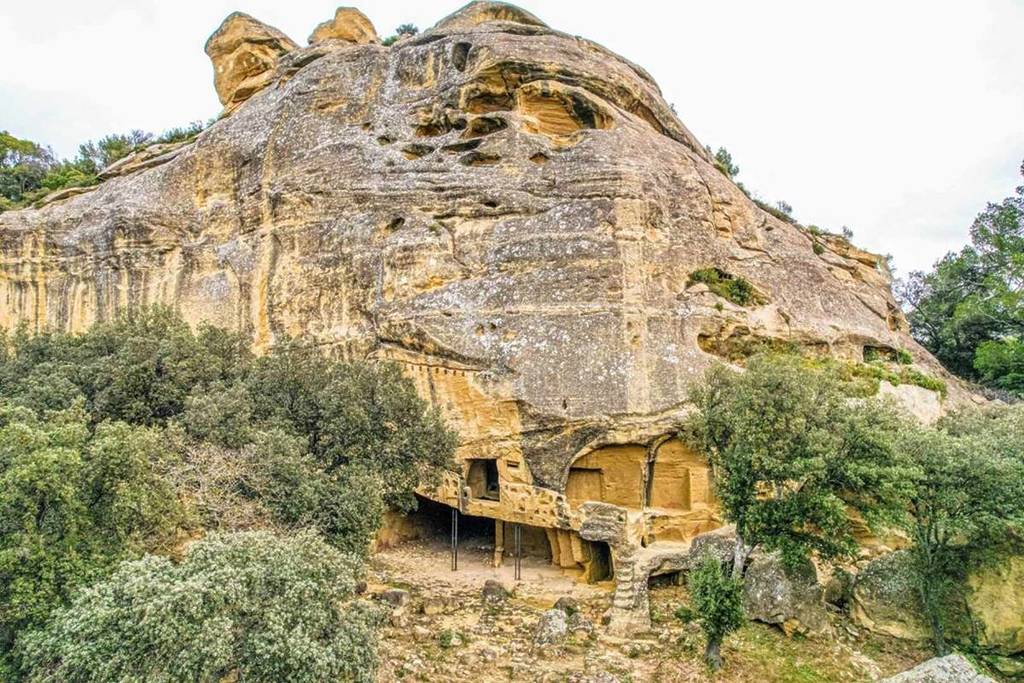
The trail is very accessible and takes only about ten minutes of climbing to reach the first caves. While some sections require a bit of caution, the route is perfectly suited for young children (though it’s best to bring a baby carrier rather than a stroller). Once there, the site becomes a wonderful playground for children, with staircases carved into the rock, secret hideouts dug into the cliff, and small caves to explore.
The walk can easily be extended thanks to the various marked trails that wind around the site. From the heights, the panoramic view of the village of Lamanon and the Alpilles landscapes more than makes up for the effort. A statue of the Virgin Mary still overlooks this remarkable stone village today.
A history carved into the rock
At first glance, the Calès Caves might resemble a prehistoric dwelling. The earliest traces of human occupation at the site date back to more than 3,500 years before our era. However, most of the caves visible today date from the Middle Ages.
It was in the 12th century, during the construction of a fortified castle on the heights, that the site truly took shape. The stones quarried to build the fortress gradually created vast cavities in the cliff. These spaces were then converted into dwellings, giving rise to a veritable troglodytic village that, at its peak, had nearly 200 inhabitants.
The medieval castle, meanwhile, was later destroyed on the orders of King Henry III. However, some remains still stand today, notably a gate and part of the ramparts. The educational trail also allows visitors to see old silos, a medieval kitchen, a communal granary, and even mysterious engravings depicting astrological signs.
Listed as a natural site and monument since 1918, the Calès Caves captivate visitors with both their rich history and their almost mystical atmosphere. Blending heritage and nature, this timeless walk remains one of the most surprising discoveries in the Alpilles.