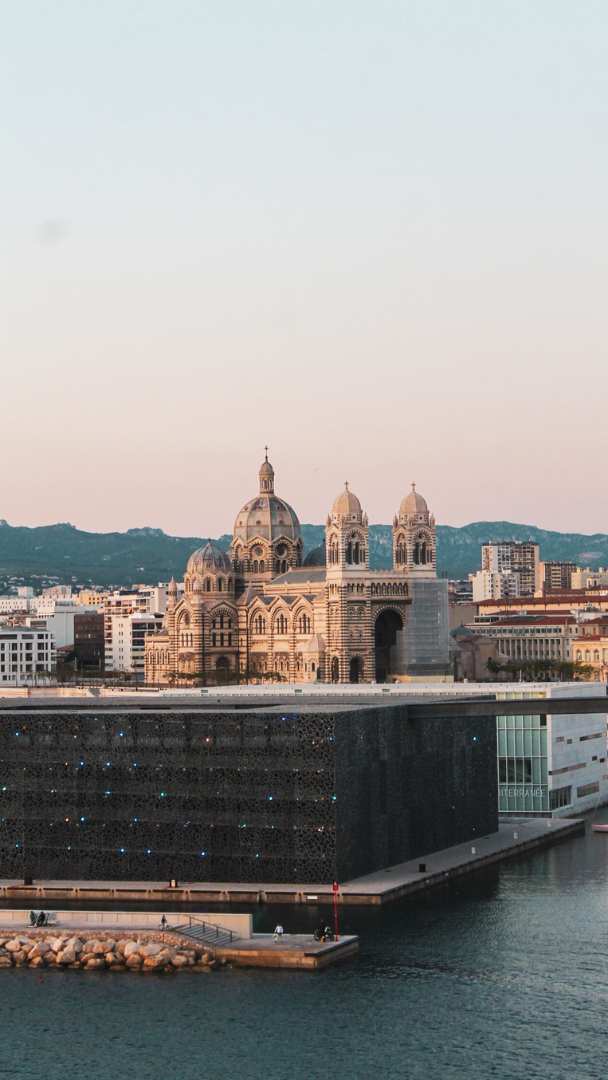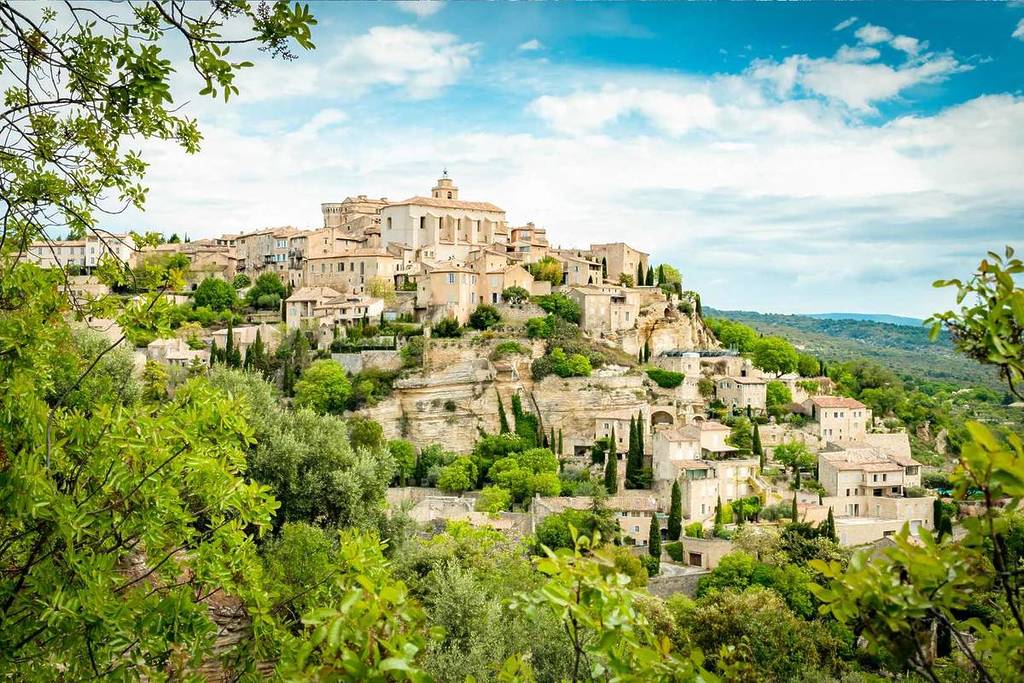

You don’t have to travel to the other side of the world to feel like you’re in a different world. Just a few kilometers from Marseille, certain villages embody the very essence of Provence: golden light, golden-hued stone, and breathtaking landscapes. Among them, one name stands out: Gordes. Voted “the most beautiful village in the world” in 2023 and listed among the Most Beautiful Villages of France, this jewel of the Luberon is just a 1 hour 15 minute drive from Marseille.
A spectacular setting between sky and stone
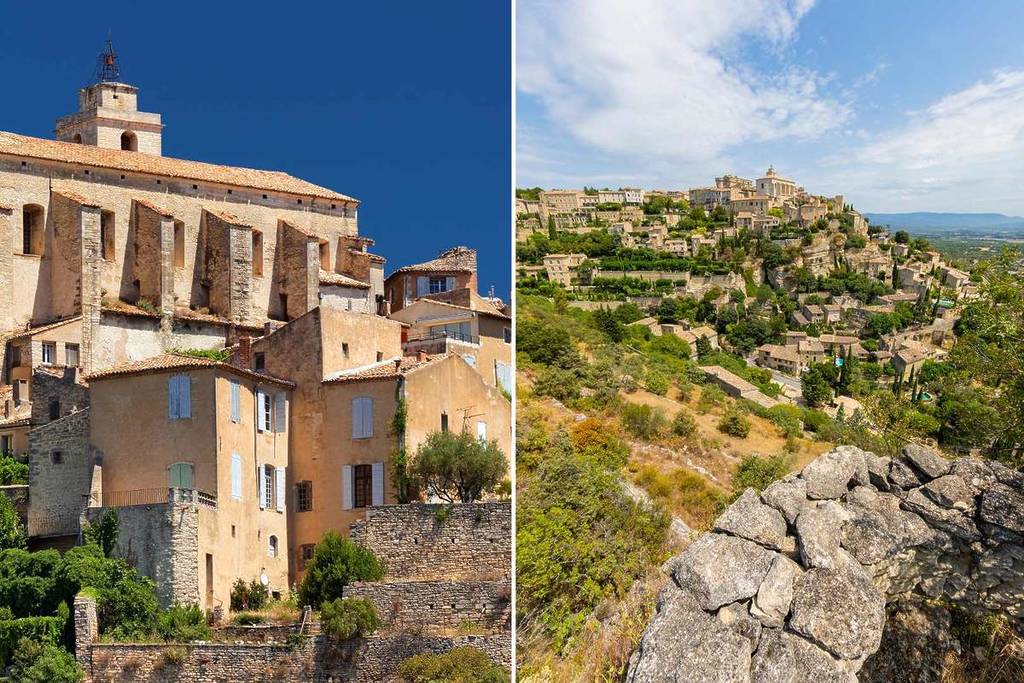
Perched on its rocky promontory, the village of Gordes has served as a watchtower for Provence for seven centuries. Perfectly integrated into its surroundings, the village derives its radiance from the limestone used in its construction. Its dry-stone houses capture the light at every hour of the day, offering an ever-changing chromatic spectacle that one never tires of.
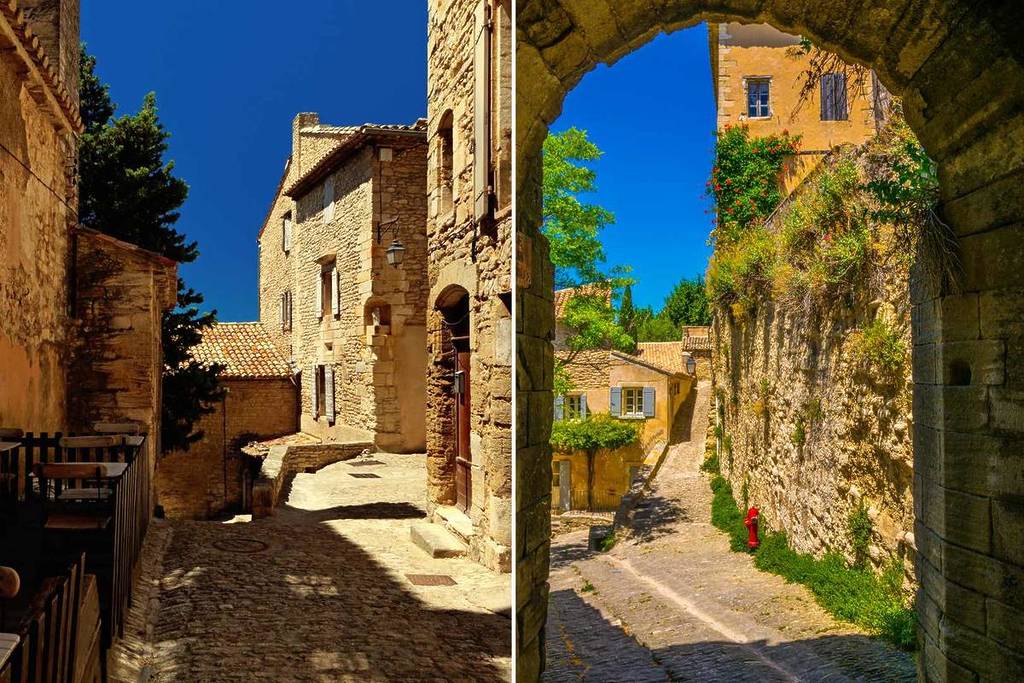
It’s a pleasure to stroll through its calades (cobbled streets) amidst a quintessentially Provençal setting. Here, a small sun-drenched square; there, a vaulted passageway or an ancient fountain. The shaded terraces invite you to pause and soak in the peaceful atmosphere that permeates the area.
Between a majestic castle and underground secrets
At the top of the village, the Château de Gordes casts its imposing silhouette. Designated a Historic Monument in 1931, this symbol of the village has overlooked the valley since the 11th century. Blending medieval and Renaissance architecture, it now hosts prestigious exhibitions and cultural events.
But Gordes also hides wonders beneath its foundations. A fascinating network of semi-troglodyte cellars winds beneath the homes, housing ancient installations such as oil mills, cisterns, and vaulted staircases. The Caves du Palais Saint-Firmin, which can be explored on a self-guided or guided tour, are an unmissable underground stop.
A thousand-year-old heritage in the surrounding area
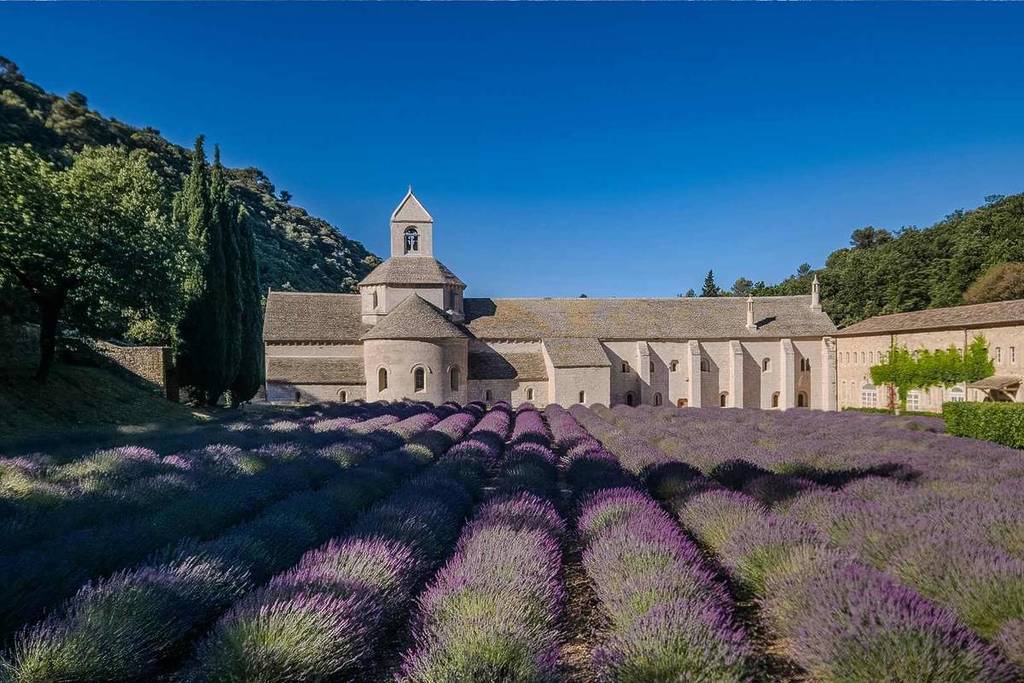
Gordes is also the starting point for iconic sites. Just a few minutes away,the Abbey of Notre-Dame de Sénanque rests in the hollow of a valley. Still inhabited by Cistercian monks and surrounded by fields of lavender in the summer, it offers a scene of absolute serenity.
Even closer, the Village des Bories offers a unique immersion into the past. This listed site consists of dry-stone huts, some of which date back tothe Bronze Age. Once used for agricultural purposes, they constitute a precious and exceptionally well-preserved testament to Provençal rural heritage.