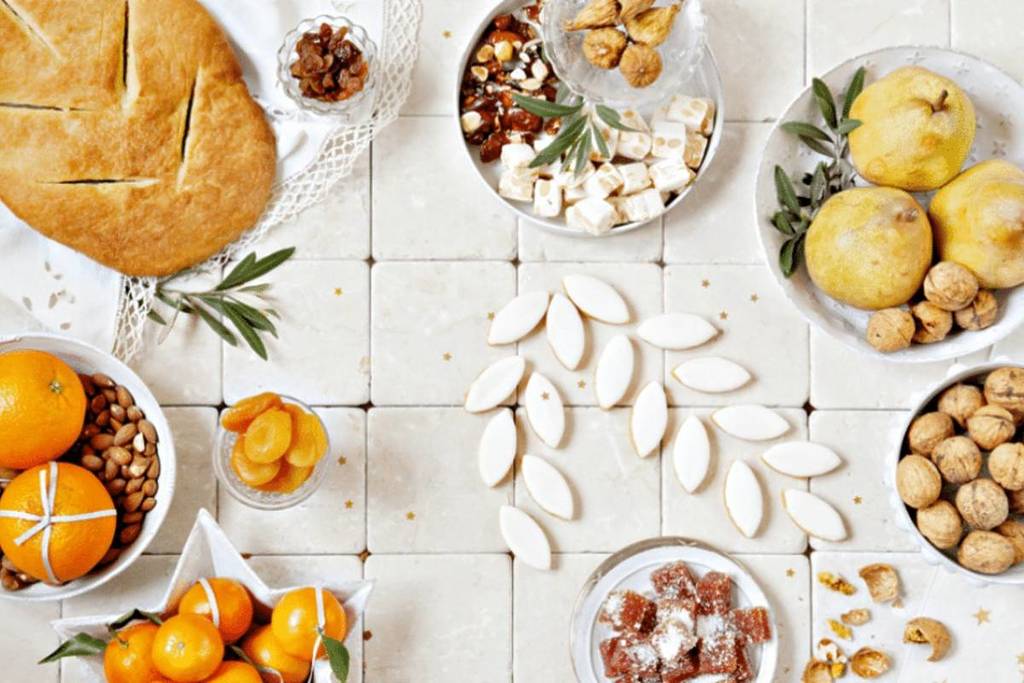
In Marseille, when the streets are lit up and the Christmas markets bloom, it’s the perfect time to rediscover a tradition that has thrilled the city for centuries: the 13 desserts, or calenos. Served at the end of the big New Year’s Eve dinner, these sweet treats are said to symbolize the 12 apostles and Christ, but above all they tell the story of a city where gourmet pleasures go hand in hand with conviviality and sharing.
A table full of symbols
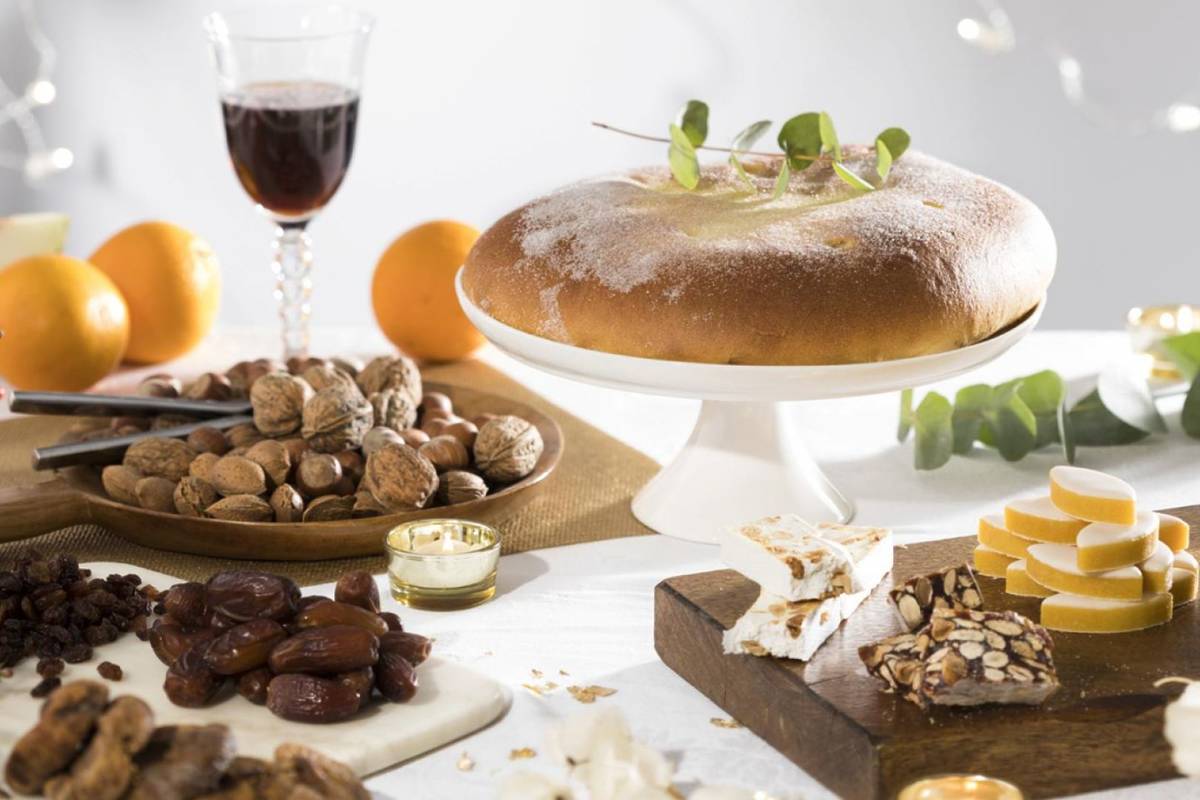
Even before you take your first bite, the mood is set: three white tablecloths, three candlesticks and an extra place setting for the poor or last-minute guest. In the past, the crumbs left on the table were intended for the souls of the deceased, a simple gesture to say “we’re thinking of you”.
The wake begins with the cacho fio, a ceremony in which the eldest member of the family lights the new log by going around the table three times, accompanied by traditional songs. The fire thus lit heralds the start of the meal, which remains light but hearty: soup, fish, vegetables… before the sweet climax.
A tradition that has evolved
Contrary to popular belief, the 13 desserts have not always been 13. Until the beginning of the 20th century, they were simply known as calenos, a profusion of sweets served at the wake, with no fixed number. Old chronicles mention figs, grapes, apples, pears, nougats and pumps in oil, but never the number thirteen.
It was in 1925, in a special Christmas issue of the newspaper La Pignato, that an Aubagne writer, Dr. Joseph Fallen, is said to have mentioned the number for the first time. The tradition was then codified, with twelve desserts representing the apostles and Christ.
Sweets in abundance
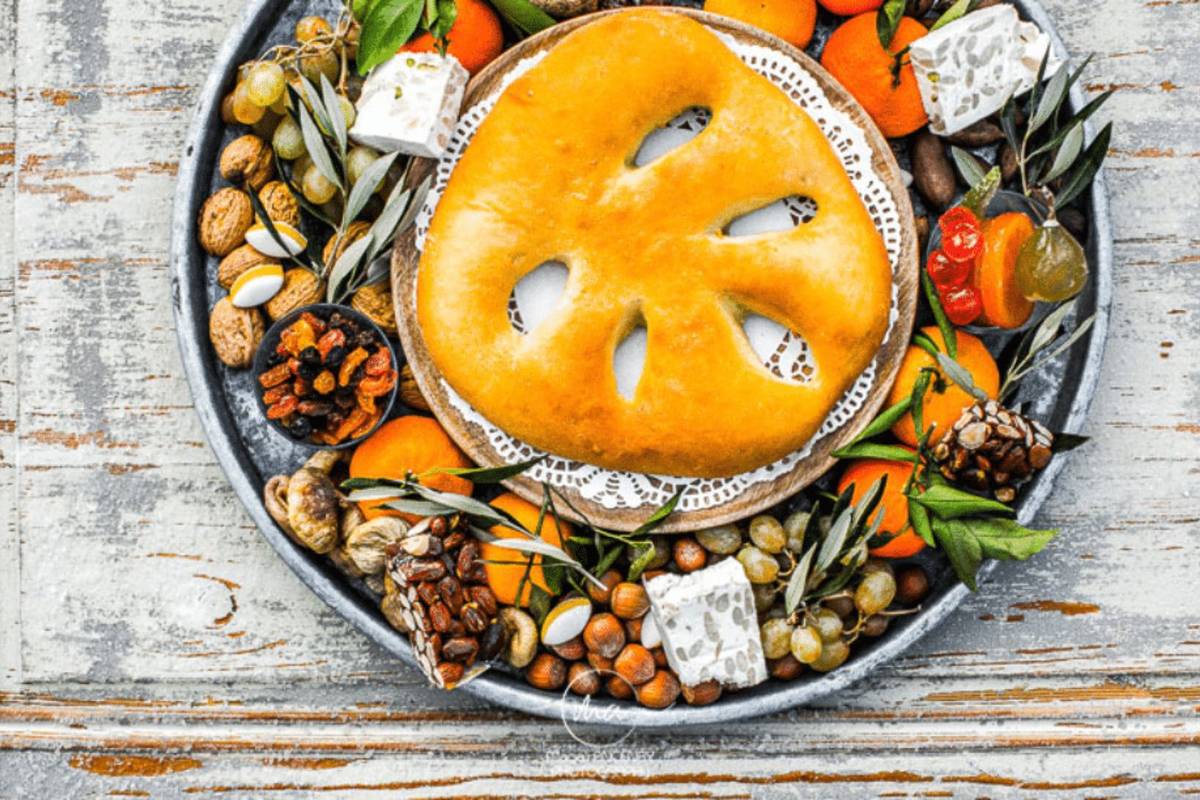
In Marseille, as elsewhere in Provence, each family has its own version of the thirteen desserts. These often include pompe à l’huile d ‘olive, white and black nougat, the four mendiants (figs, raisins, almonds, walnuts), as well as fresh and dried fruits such as dates, apples, pears or oranges – the famous Marseilles picon. Some add raisins, melon, chestnuts or jam. Today’s contemporary variants don’t hesitate to include exotic fruits and original creations, but the spirit of the tradition remains intact: sharing and abundance.
The thirteenth dessert, often the most beautiful, is also the one that remembers those who are absent: a symbolic gesture for those who are not there, or for the souls of the departed, whose crumbs are left on the table. In Marseille, as in other towns in the south of France, this attention to the absent and to visitors is part of the soul of Provençal Christmas.
A Mediterranean ritual
This accumulation of sweets is not unique to Provence. Similar Rosh Hashanahpractices can be found among Sephardic Jews, Egyptian Greeks and in Catalonia. In all these regions, the profusion of dried fruit, pastries and sweets symbolizeshospitality and prosperity.
If you’re lucky enough to spend Christmas in the South of France, let the scent of cinnamon and orange blossom be your guide, and immerse yourself in a tradition where every dessert tells a story, every bite a little of the Provençal soul.