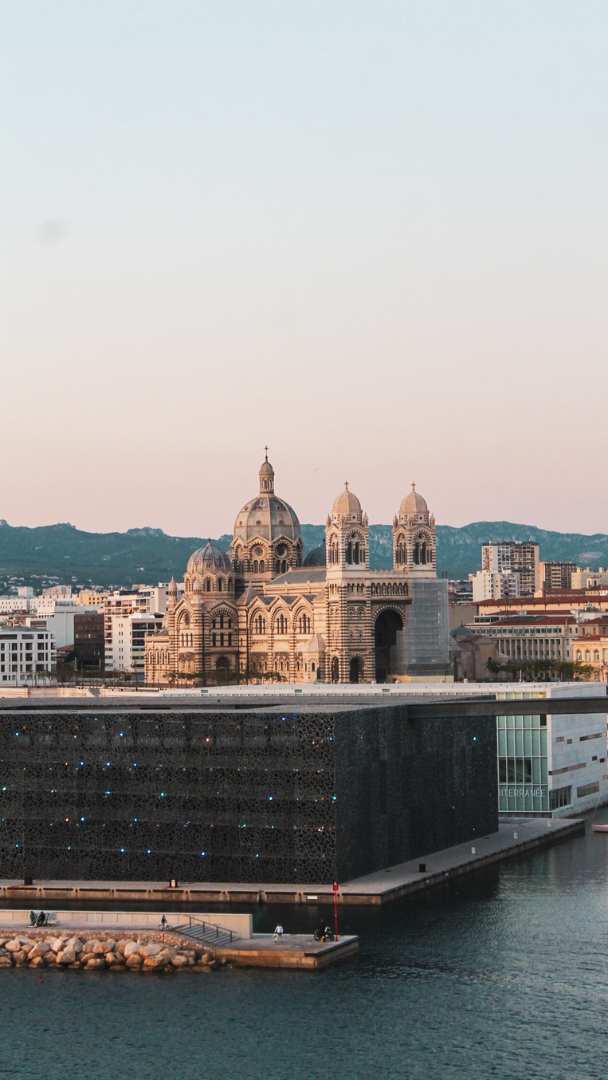
Not everyone can call themselves a true Marseillais. If you haven’t passed the test by tasting each of these 11 typical specialties at least once in your life, you’re not legally considered a native of Marseille. To earn that title, we’re revealing the list of must-try dishes—and, most importantly, where to find them.
Bouillabaisse

Marseille’s bouillabaisseis more than just a fish soup—it’s a religion! An explosion of flavors and a tradition dating back several centuries. While the original recipe involved boiling fish and dipping bread in it, it has evolved considerably since then and now comes in many variations.
Pieds et Paquets

Legend has it that the recipe for pieds et paquets (or pieds-paquets) dates back to the founding of Marseille. That would make it 2,600 years old! But there’s no need to go back that far—this Marseille specialty actually dates to the 19th century, and we owe it to Louis Ginouvès. Lamb tripe stuffed with meat andherbes de Provence, lamb feet simmered in a tomato sauce with white wine… a real treat!

This is not mayonnaise! Thicker and packed with garlic (as its name suggests), the classic Provençal aioli is another specialty of Marseille! Whether in summer or winter, aioli is usually served with poached cod and raw or cooked spring vegetables!
Poutargue

This specialty comes to us from Martigues! Nicknamed“Mediterranean caviar,” its name originally comes from the Provençal word “boutarguo.” Made from salted and dried mullet or grey mullet roe, this southern delicacy is highly sought after and therefore a bit pricey. Grated over pasta or on toast with a splash of lemon juice, poutargue (or boutargue) is something you either love or hate!
Tapenade and Anchoïade

One is made withblack or greenolives, the other withanchovies! Tapenade andanchoïade —both part of the spread family—are staples of the Marseille aperitif. While you can find both in supermarkets, we definitely prefer to pick them up at small neighborhood grocery stores!
Provençal Daube

It’s impossible to talk about Marseille cuisine without mentioning Provençal beef stew. This beef stew simmered in red wine, flavored with herbs and vegetables, is a regional classic. To enjoy it, head to Chez Madie les Galinettes, an iconic spot in the Old Port.

While the Belgians have their fries, the people of Marseille (and Nice) have their panisses! This chickpea-based specialty, so beloved in Provence, actually originates from Liguria. It’s eaten as an appetizer or by the dozen at the beach huts onEstaque Beach. And be sure to enjoy it right there—it’s best fresh!

We’re staying in the same geographical area. To enjoy Chichi Frégi, you’ll needto head to the far northwest of Marseille. Located in the 16th arrondissement, theEstaque neighborhood jealously guards the best spots for chichis frégis. It must be said that these long, orange-blossom-scented fritters, fried in oil and coated in sugar, make more than a few people’s mouths water.

To enjoy this delicious specialty flavored with orange blossom (which isn’t just for Candlemas), there’s only one place we can recommend. It’s the oldest bakery in Marseille, founded by Monsieur Aveyrous—none other than the very inventor of the “navette” in 1781! Passed down from generation to generation, the secret to the authentic recipe at Le Four des Navettes has remained the same for over two centuries.
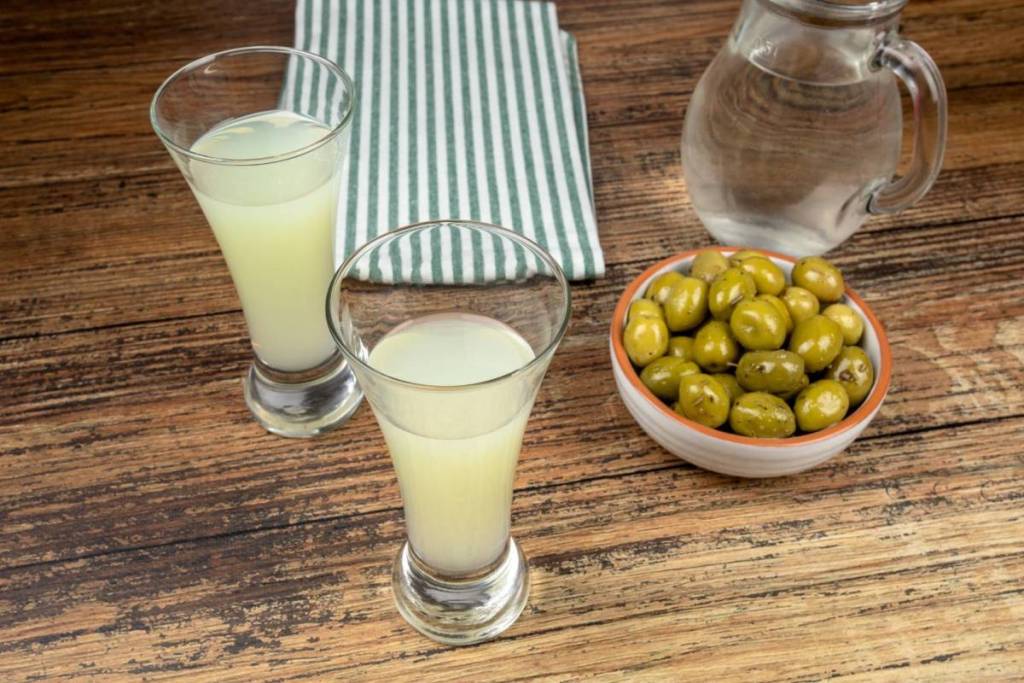
In Marseille, pastis is much more than an aperitif— it’s a true institution. Served well chilled with water, it’s the perfect accompaniment to a game of pétanque or a late afternoon on a terrace. To enjoy it in a quintessentially Marseillais atmosphere, take a seat at La Caravelle, facing the Old Port.

Created in 1994 by the couple Monique and Jean-Marie Fouque, the Marseillotte comes—as its name suggests—from Marseille. A chocolate treat wrapped in a bright blue foil and sold in boxes bearing the image of the Bonne Mère, it doesn’t get any more typical than this. But what makes this treat so distinctly Marseillais? Beneath its dark chocolate coating lie flavors of almond, honey, orange peel, and—above all—anise, typical of the region. A delight to treat yourself or to give as a gift.