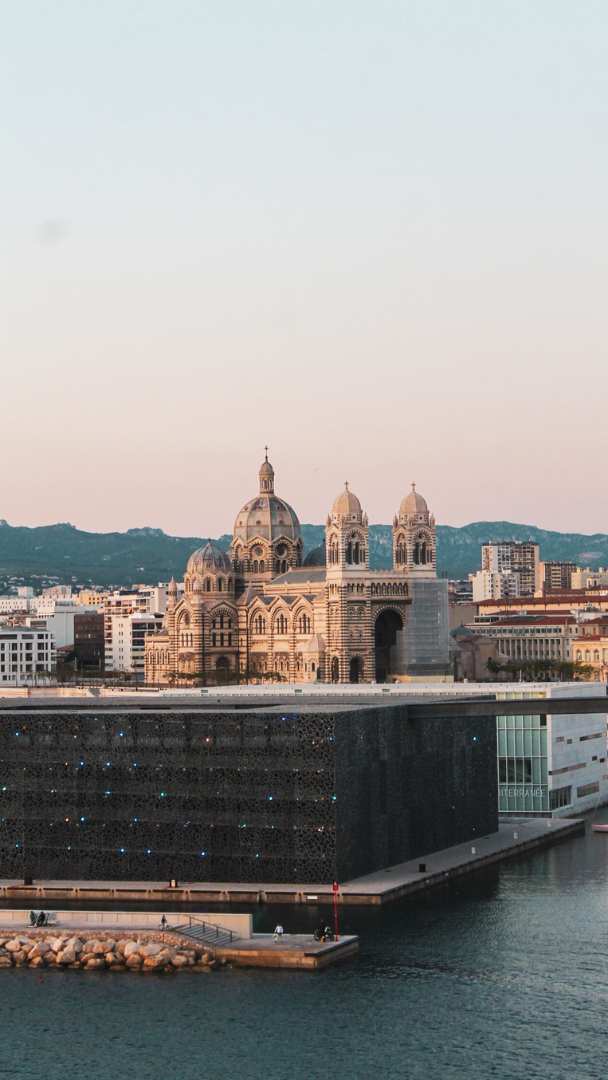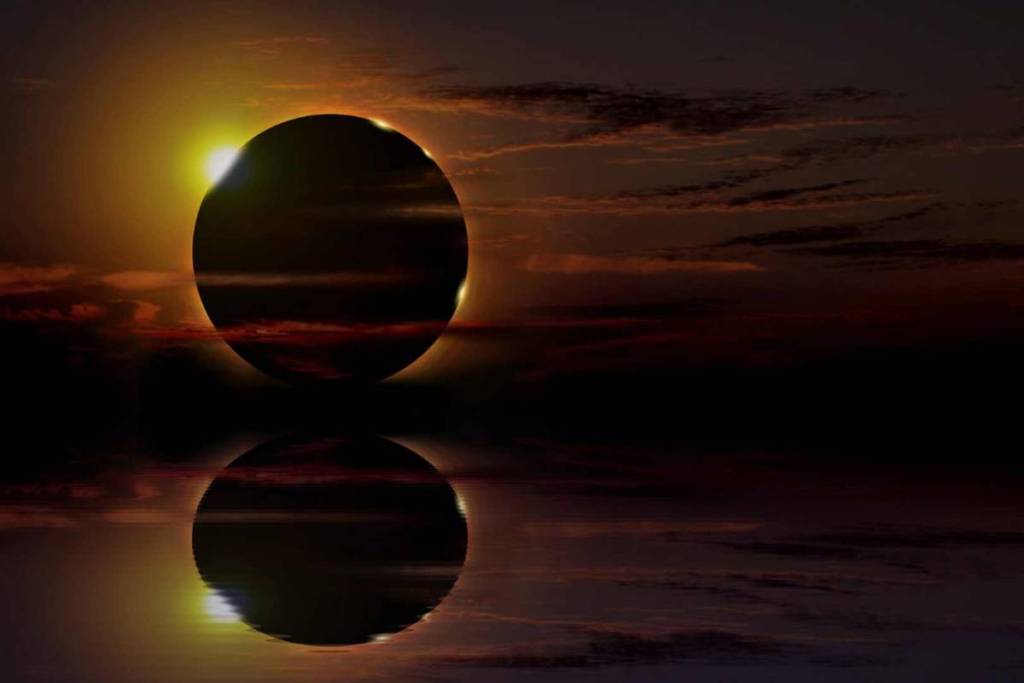

Following January’s supermoon and meteor shower, the sky is once again set to offer a rare spectacle. On Wednesday, August 12, 2026, the moon will almost completely cover the sun during a total solar eclipse. This is an exceptional phenomenon that hasn’t been seen on such a scale in Europe for decades. If the sky is clear that day, Marseille will be treated to a breathtaking cosmic spectacle.
But how does a solar eclipse occur? Where can you witness this celestial event? And how can you observe it safely? We’ll explain everything.
August 12 Solar Eclipse: What exactly will happen in the sky?
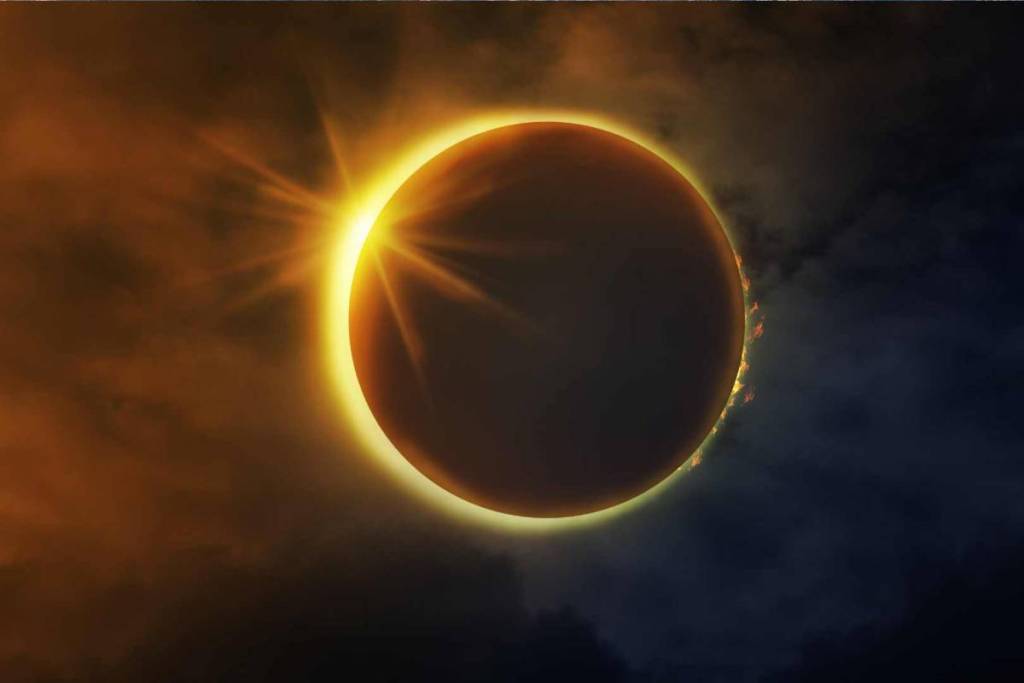
A solar eclipse depends first and foremost on the Moon. The Moon comes between the Earth and the Sun, gradually blocking the Sun and casting its shadow onto our planet. This phenomenon can only occur during a new moon and requires a very precise alignment.
While much of the globe won’t be able to observe the August 12 eclipse, Europe is among the lucky regions and will be able to enjoy a nearly total eclipse—the first since 1999.
An exceptional eclipse for Marseille
Even without totality, France will be in a particularly good position. More than 90% of the Sun will be obscured across much of the country. In Marseille, the occultation will reach exactly 96.3%, according to calculations by the Institute of Celestial Mechanics and Ephemeris Computation (IMCCE). Daylight will dim significantly, but the sky will not fall into complete darkness.
Another unique feature of this eclipse is that it will take place at the very end of the day. At the predicted peak around 8:25 p.m., the Sun will be just a few degrees above the west-northwest horizon. This low elevation promises magnificent images, with the eclipsed Sun appearing to float above the landscape.
Where to watch the eclipse in Marseille?
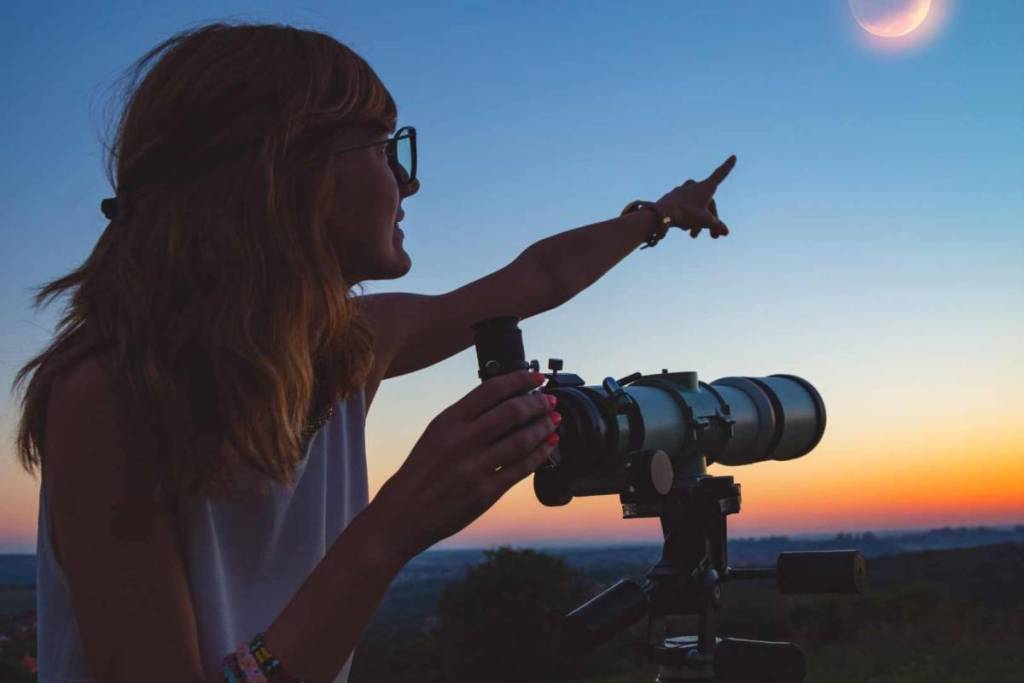
To fully enjoy the phenomenon, you’ll need to choose a vantage point with a perfectly clear western horizon. The Marseille coastline is one of the best places to observe it, as are certain hills overlooking the city.
The Florence Arthaud Aquatics Stadium will host a major free astronomy event from 6 p.m. to midnight. The event will feature activities, explanations by amateur astronomers, and telescope observations. Nearly 3, 000 special viewing glasses, compliant with safety standards, will be distributed free of charge so that visitors can safely view the eclipse. The evening won’t end at sunset. Visitors will then be able to observe the planets, constellations, and the famous Perseids, which reach their peak activity during this time.