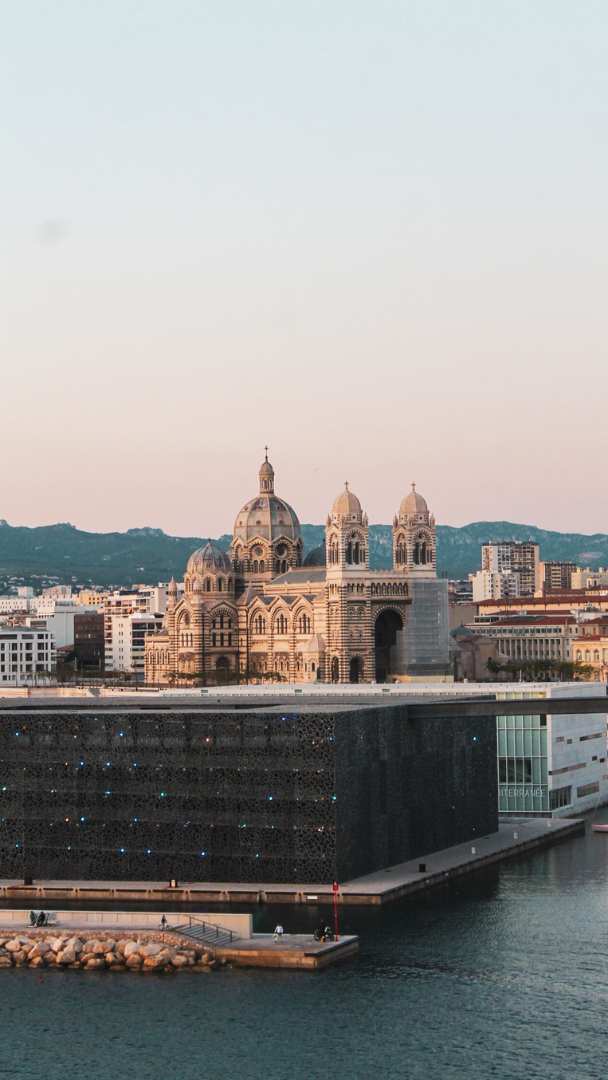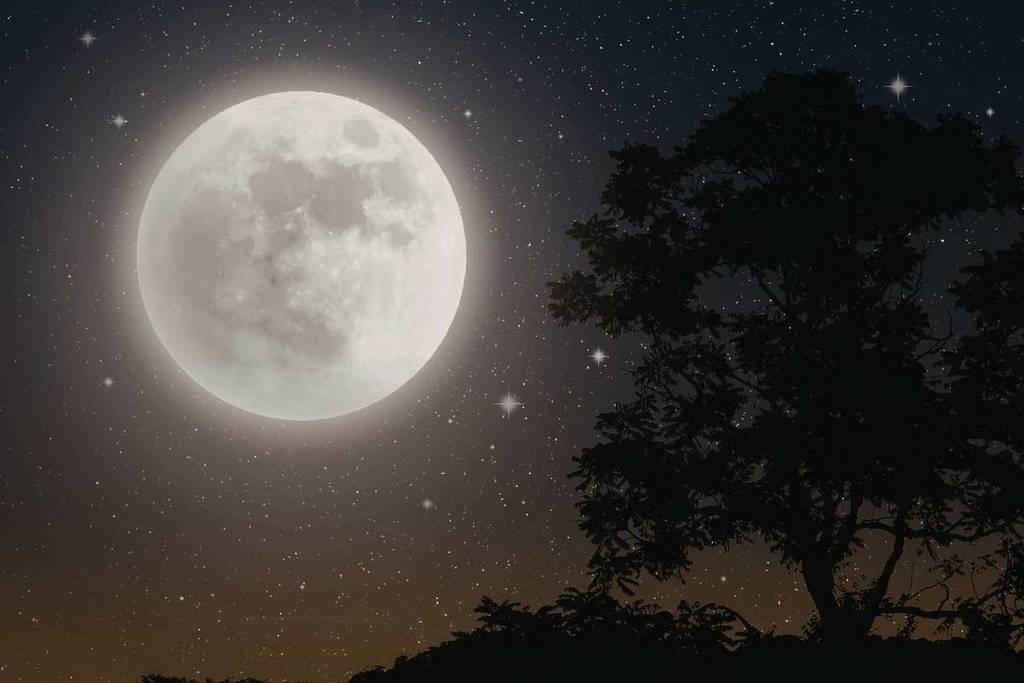
Whether you’re an astral enthusiast or simply in search of magic, be sure to look up to the sky on the night of January 3 to 4. The Full Wolf Moon, the first Super Moon of 2026, will light up the skies over Marseille. This rare phenomenon, which will only occur three times this year, promises luminosity and astonomic surprises. But what mystery lies behind its name, and when is the best time to observe it? Let’s delve into the heart of this celestial event, which promises to amaze young and old alike.
Super Moon and Full Wolf Moon: what are they?
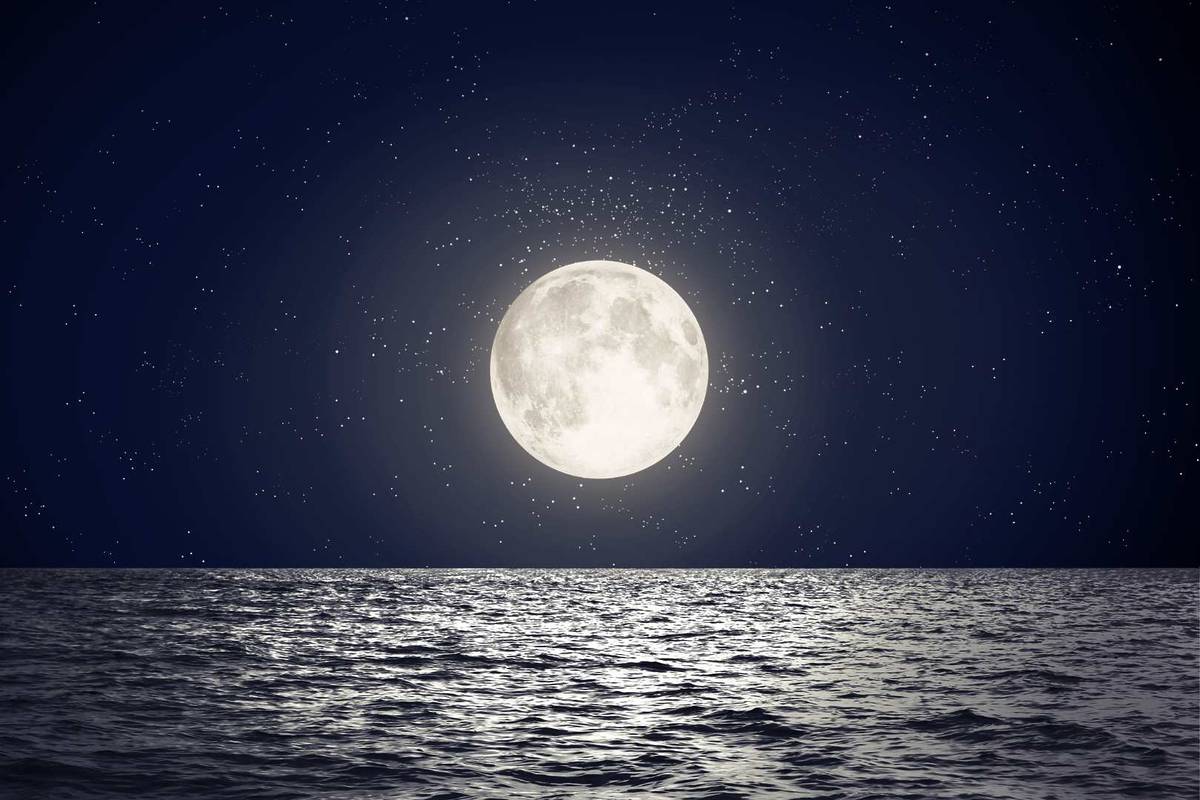
A full moon occurs when the Sun, Earth and Moon are perfectly aligned. Fully bathed in sunlight, the Moon appears as a luminous, perfectly circular disk. The Moon is said to be Supermoon when this phase coincides with its perigee, the moment when our satellite is closest to the Earth. This makes it appear slightly larger and brighter than usual.
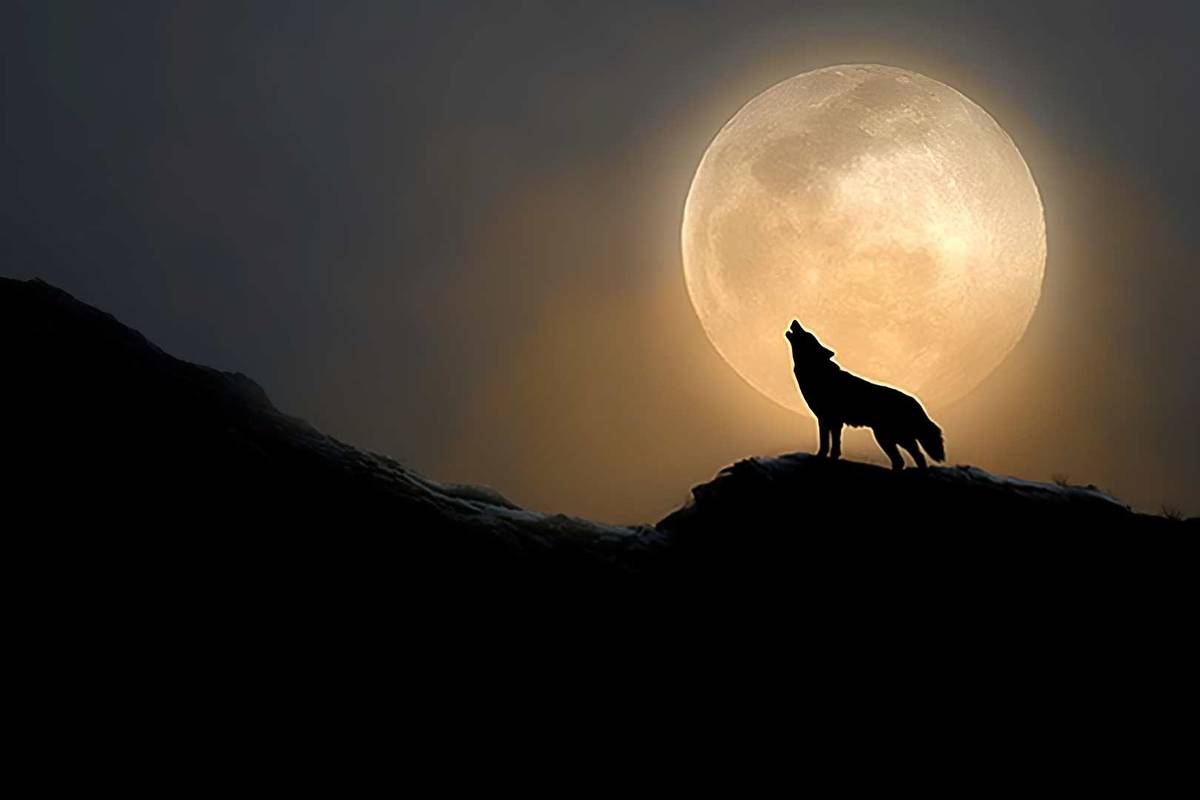
This Saturday, January 3, the Wolf Super Moon will be just 362,312 km from Earth. A spectacular phenomenon which, despite its name, has nothing to do with an animal. The expression Wolf Moon has its origins in Native American traditions, which gave each full moon a significance linked to the seasons. The January moon evoked a time when the howling of wolves echoed around villages in the depths of harsh, snowy winters.
Super Moon, Jupiter and meteor showers
If you’re fascinated by the immensity of the universe, the Full Wolf Moon is a date not to be missed. This year, it won’t be shining alone. Jupiter, the largest planet in the solar system, will be visible to the naked eye just below the Moon. According to National Geographic, Saturn may even join this exceptional alignment, making the scene even rarer. Added to this is the peak activity of the Quadrantids, an annual meteor shower that punctuates the night with luminous trails. A simple observation is transformed into a veritable astronomical spectacle.
The first of three Supermoons expected this year, this celestial event deserves your full attention, especially as we’ll have to wait until November 2026 to see the next one.
Where and when can you see the Super Moon in Marseille?

The Moon will reach its maximum illumination and perigee at 11.03 am. Not an ideal time for spectacular viewing. The best time to observe it, weather permitting, is at dusk, when the sky begins to darken, from 5.30pm onwards.
For those who would like to enjoy the show, we recommend that you choose locations with little light pollution, in the open and, if possible, on high ground. These include the Corniche Kennedy, the Palais du Pharo, the Frioul and the Goudes.