After oil-fried doughnuts and king cakes, it’s time for another winter treat: crêpes.
For a gourmet, foolproof Candlemas, we’re sharing the recipe from Cyril Lignac, our favorite chef. Say goodbye to lumps and excess fat, Cyril Lignac’s pancake recipe is easy to make (if you follow the recipe to the letter, of course).
If you want to be the star of Candlemas, it’s very simple: just read on (and no, your neighbor’s recipe won’t do the trick—unless she’s a chef). We’d also like to remind you that crêpes aren’t just for February 2—they can be enjoyed all year round!
Cyril Lignac’s pancake recipe:

Ingredients for the crêpe batter:
- 250 g flour
- 3 tablespoons caster sugar
- 1 pinch of salt
- 3 eggs
- 500 ml milk
- 2 tablespoons vegetable oil
Preparation:
- Start by mixing the “dry ingredients.” In your mixing bowl, combine the flour, sugar, and pinch of salt.
- Next, it is important to add the eggs one at a time. Whisk the mixture well between each egg addition to prevent lumps from forming.
- Next, pour in the “liquid ingredients”: vegetable oil, then milk, mixing gently.
- You can also flavor your pancake batter with your favorite flavor (orange blossom, Grand Marnier, or vanilla extract).
- Let the pancake batter rest for at least 1 hour for delicious pancakes. If you don’t have time, you can start cooking your pancakes without letting the batter rest.
What do we celebrate on Candlemas and why do we eat crepes?
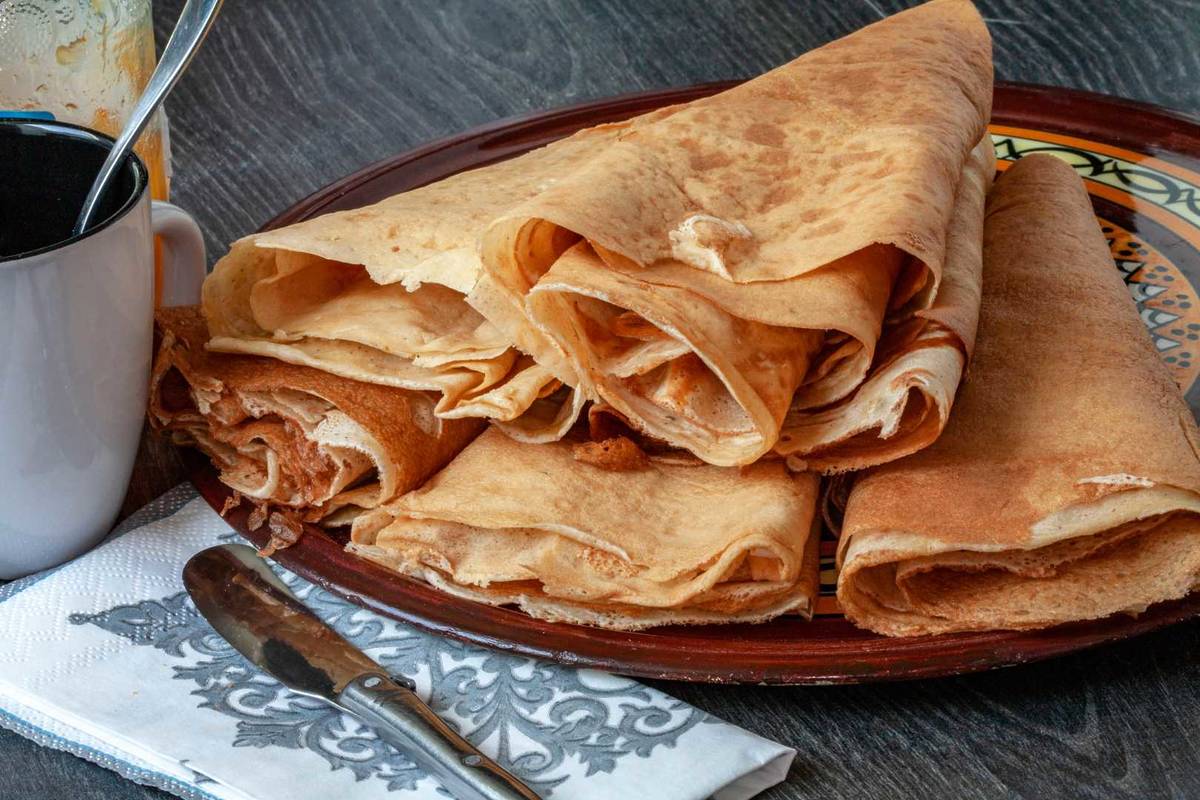 Illustrative photo
To impress your guests even more at dessert time, did you know that Candlemas is much more than just a gourmet treat?
It’s all in the name: the “feast of candles” has its roots in the 5th century. Pope Gelasius I transformed ancient pagan rites into a Christian celebration marking the presentation of Jesus at the Temple in Jerusalem forty days after his birth. During the processions, the faithful lit candles to symbolize Christ, designated by Simeon as the “Light of the World.”
But what does this have to do with our sugar-topped crêpes? Tradition has it that the same pope had pancakes distributed during the celebrations. Their round shape and golden color were no coincidence: they paid homage to the late winter sun, a direct legacy of Celtic and Roman beliefs celebrating the imminent return of sunny days. A delicious blend of the sacred and the folkloric that continues to this day!
Bon appétit and happy Candlemas!