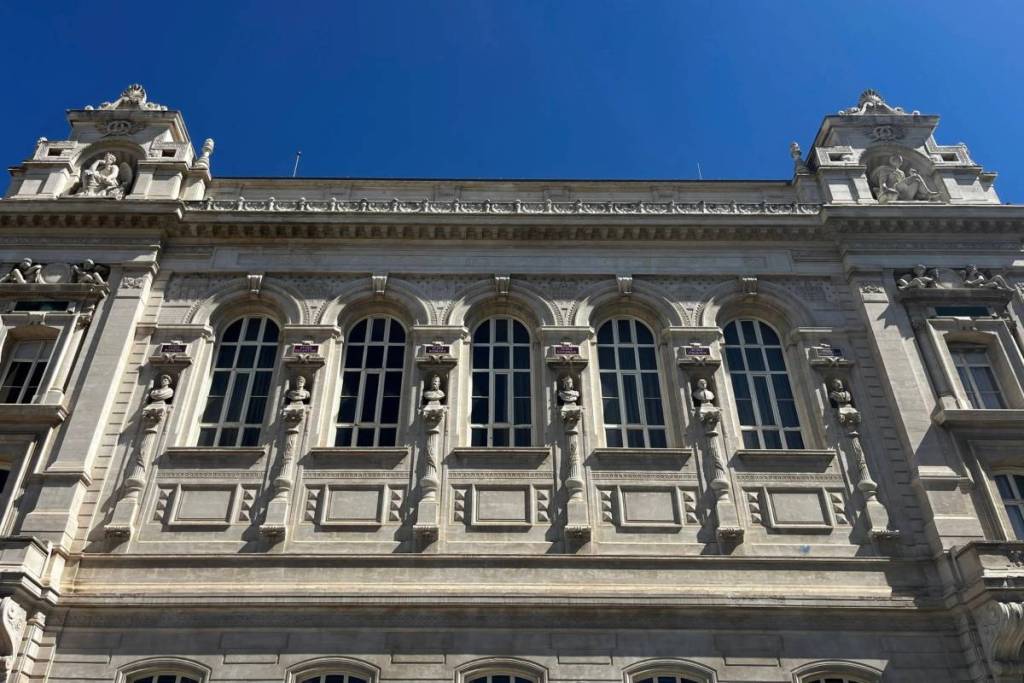

Just a stone’s throw from the Cours Julien, an architectural gem seems to escape the notice of passersby in Marseille: the Palais des Arts, better known to locals as the Palais Carli. Designed by the famous architect Henri Espérandieu, this historic landmark hides many secrets behind its walls. From its bustling construction in the 19th century to the intriguing contrast between its inner courtyard and outer façade, the venue is now home to a vibrant cultural scene. To the rhythm of music and exhibitions, immerse yourself in the history and behind-the-scenes world of this little-known temple of Marseille’s creative scene.
The turbulent history of an architectural masterpiece
The history of the Palais Carli begins with a school housing crisis in the 19th century. In 1859, the city decided to reorganize everything and acquired a plot of land to house the library and the fine arts school. The project was then entrusted to the famous architect Henri Espérandieu, the architect behind Notre-Dame de la Garde and the Palais Longchamp. But the construction project, launched in 1864, faced a veritable series of setbacks: the war of 1870, a lack of funding, and, above all, Espérandieu’s death in July 1874.
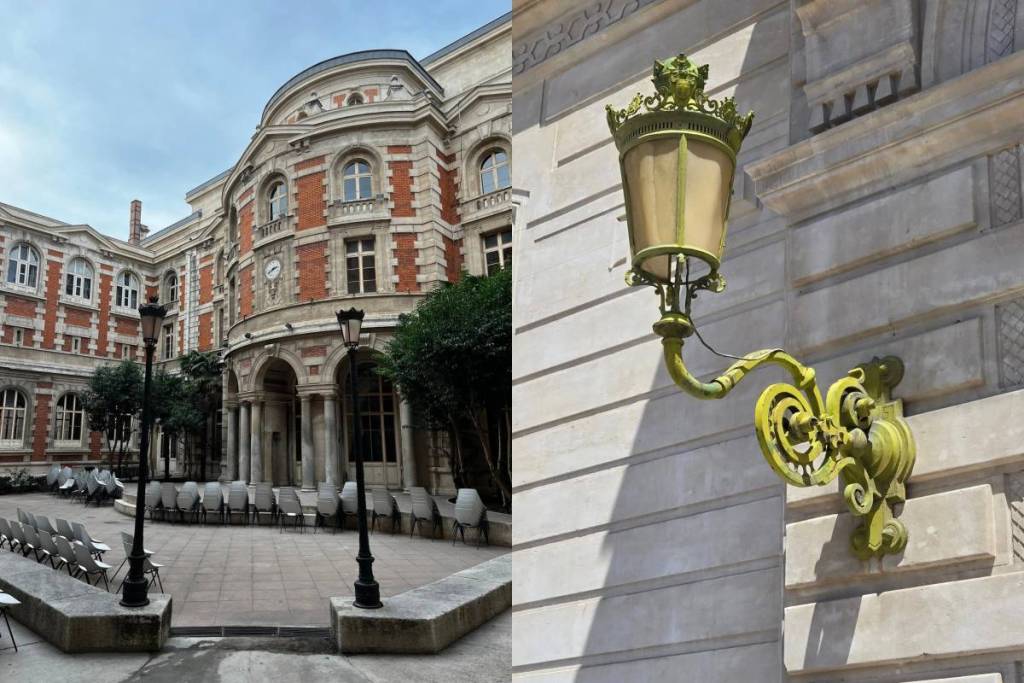
In the end, it was his collaborators who completed the building in strict accordance with his plans. The building then revealed a fascinating personality, marked by a striking visual duality. While the exterior façade impresses with its sublime white Tarascon stone, the inner courtyard surprises with its red bricks. The setting stands out as a veritable open-air history book: ten busts of great monarchs and patrons, from Pericles to Napoleon I, watch over the site, each accompanied by an artistic emblem of its era.
The Palais des Arts: Marseille’s temple of creativity
Once through the doors, visitors discover an equally impressive setting, designed to celebrate the masters of art history. The heart of the building reveals a majestic semicircular hall supported by imposing granite columns. The space is dotted with symbols paying homage to the major figures of the Renaissance and Classicism, from Michelangelo to Raphael, while commemorative monuments honor the memory of Henri Espérandieu and the Marseille sculptor André-Joseph Allar.
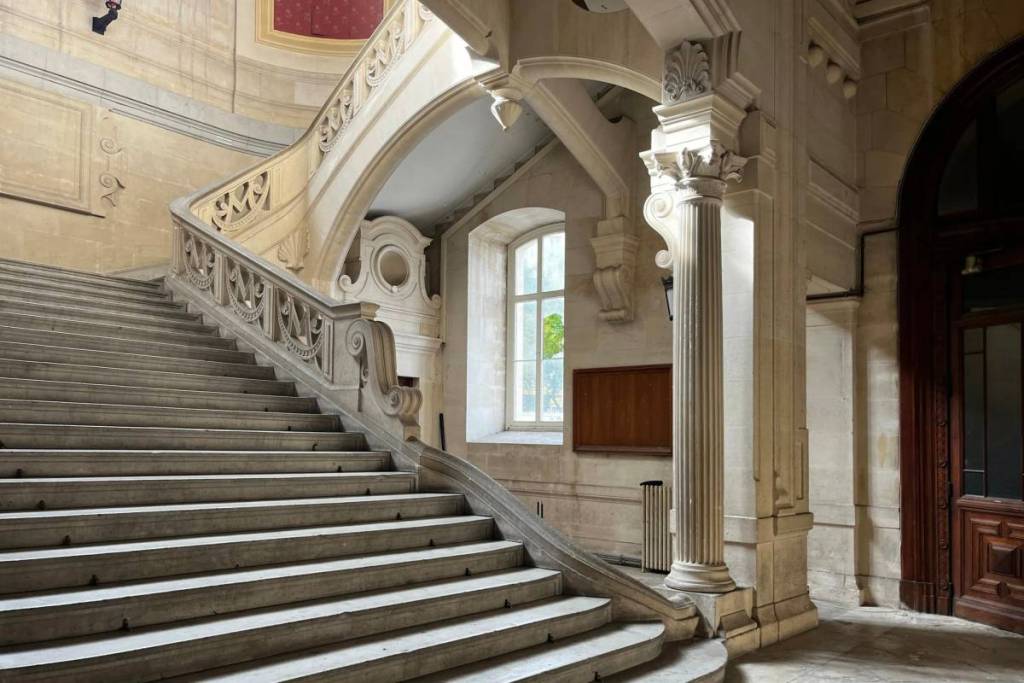
Designated a Historic Monument in 1997, the Palais retains a creative spirit that is more alive than ever. Today, its halls echo with rehearsals from the “Pierre Barbizet” National Conservatory with Regional Reach, shaping the talents of tomorrow. The venue also regularly opens its doors to the public through a rich program combining concerts, public recitals, and exhibitions. It’s a unique opportunity to admire this exceptional interior while enjoying a vibrant arts scene.