
A true emblem of Provençal heritage, the legendary Marseille soap has stood the test of time without losing its luster—from its distant medieval origins and its golden age regulated by Colbert’s decrees to the challenges of globalization and strict adherence to the famous 72% vegetable oil rule. From centuries-old manufacturing secrets and mastery of traditional saponification in cauldrons to exploring the last remaining artisanal workshops still in operation, dive into the heart of the fascinating history of this legendary bar of soap. An authentic journey exploring its therapeutic and ecological benefits and its enduring heritage in Marseille.
From medieval origins to the golden age: the great historical epic of Marseille soap
While soap is an integral part of Marseille’s identity, its roots stretch far back in history, from the Gauls to the Provençal boom of the Middle Ages, fueled by an abundance of olive oil and salt. The industry grew over the centuries and reached a turning point in 1688 when the Edict of Colbert strictly regulated its production using pure oils in cauldrons. These regulations propelled Marseille into a flourishing golden age in the 19th and early 20th centuries, bolstered by advances in chemistry and the famous 72% vegetable oil standard established in 1906.
Despite this historic prosperity and impressive production peaks, the soap industry suffered a severe decline due to economic crises, world wars, and, above all, the massive influx of synthetic detergents and washing machines. While Marseille was home to more than a hundred factories in the 1920s, only three traditional soap factories remain today, passionately carrying on this ancestral craft at the heart of a heritage that is more alive than ever.
Benefits, cauldrons, and manufacturing secrets: at the heart of the last remaining soap factories
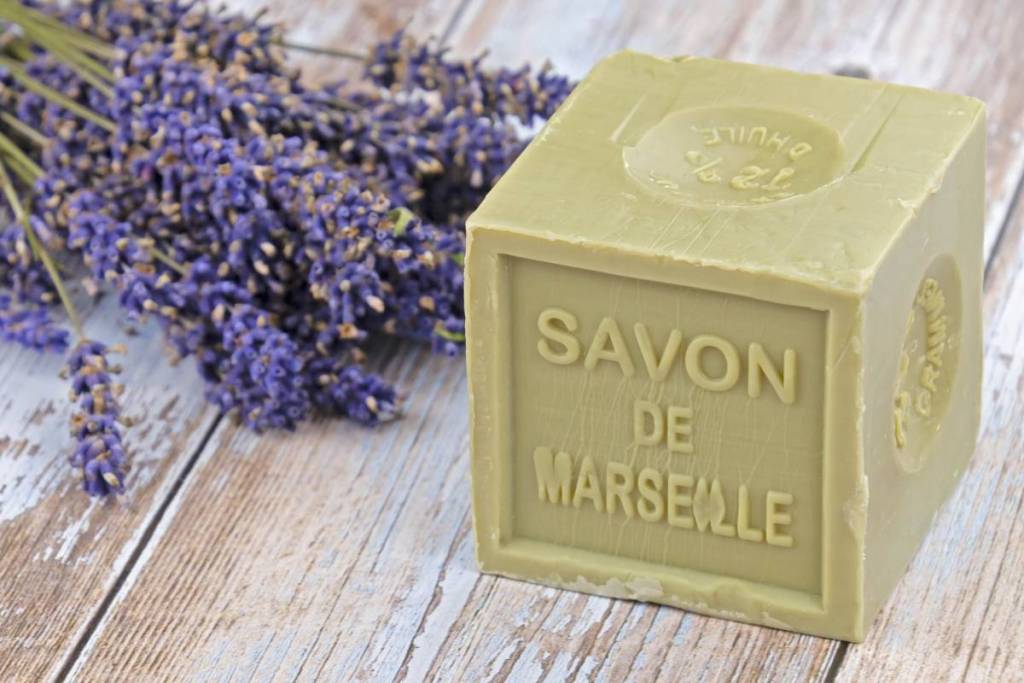
Today, genuine Marseille soap stands as a product of excellence born of jealously guarded artisanal expertise. In the last remaining active factories, the “cauldron” saponification method reigns supreme. In these large vats, pure vegetable oils are transformed by the action of a lye base through a long and meticulous process. Whether olive green or white, the authentic bar always proudly displays its famous hallmark: the mandatory 72% vegetable oil label stamped on one of its sides.
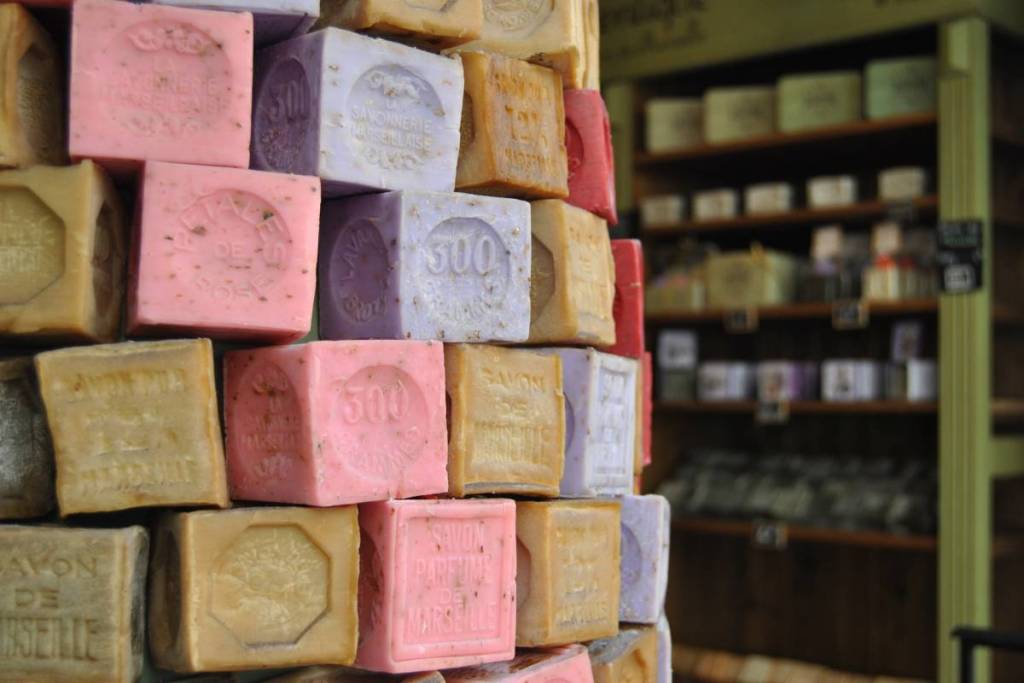
However, the utmost caution is required when shopping in Provence. In the absence of a legally protected label, approximately 95% of the soaps sold worldwide under the name “Marseille soap” are industrial or foreign counterfeits, often colored or enriched with animal fats. To see the true master soapmakers at work and help keep this magic alive, step inside Marseille’s last historic bastions (Le Sérail, Fer à Cheval, and La Savonnerie du Midi), which keep this exceptional heritage alive in the heart of Marseille.