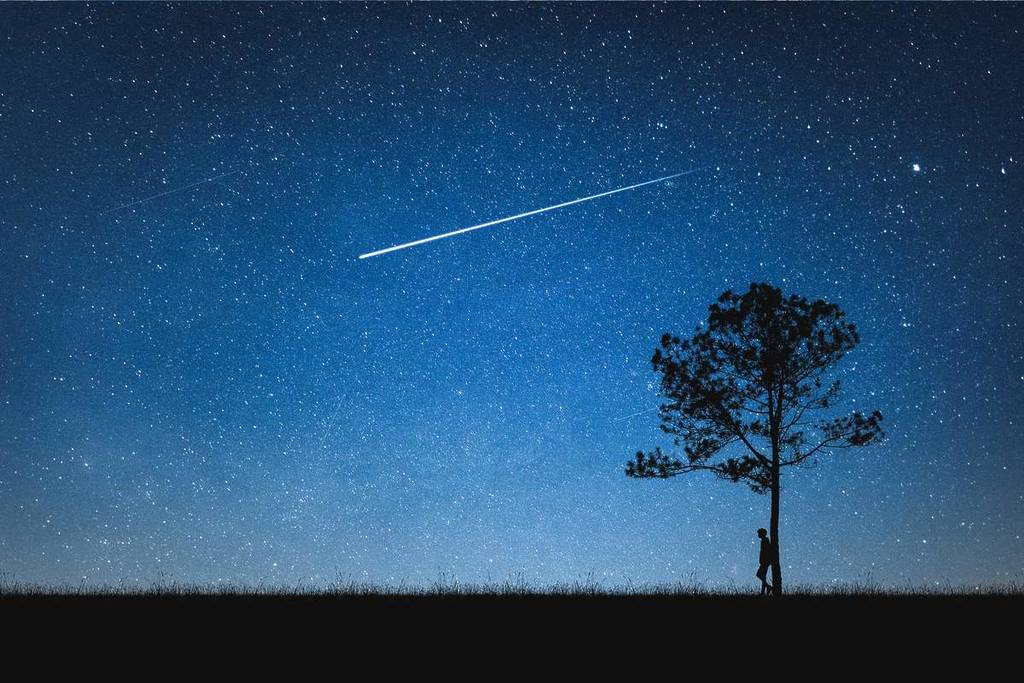

While the sky over Marseille dazzles with its sublime sunsets, it will soon light up in a whole new way. While the summer Perseids need no introduction, have you heard of the Lyrids? Observed for over 2,700 years, this meteor shower streaks across the sky every spring. This year is no exception, so now is the time to gaze up at the stars and enjoy a spectacle as cosmic as it is magical.
What causes the Lyrids?
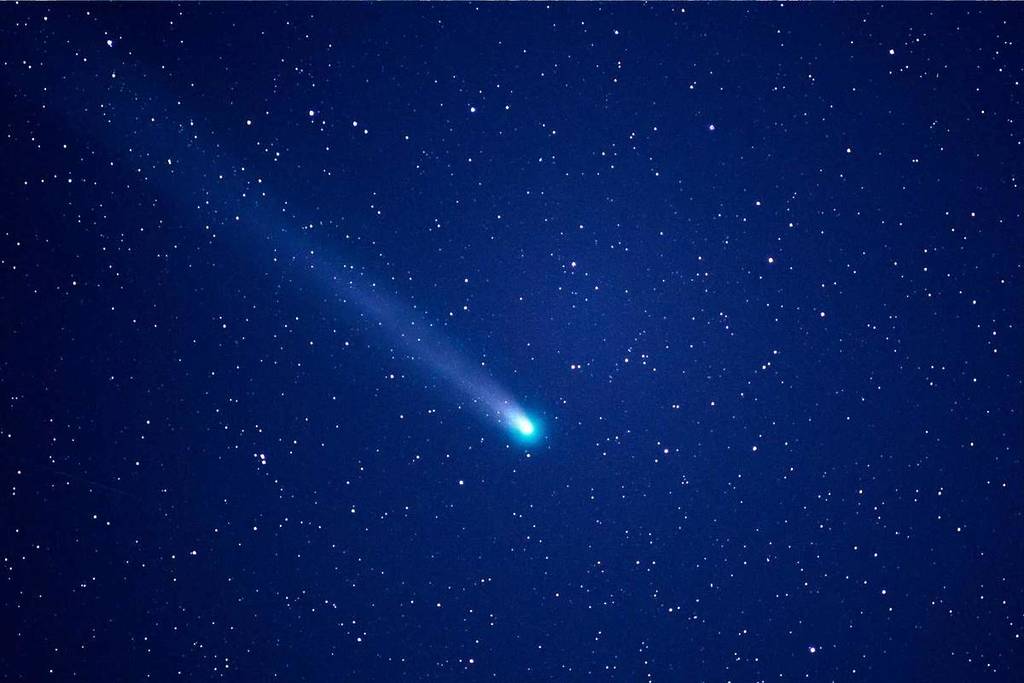
Mysterious and captivating, the Lyrids are a meteor shower that occurs every year at the same time. It is actually a phenomenon that occurs when Earth passes through a cloud of particles from Comet C/1861 G1 (Thatcher). As they enter our atmosphere, these particles burn up and become fireballs traveling at 50 km/s. They leave behind a luminous trail visible to the naked eye: shooting stars. While these meteors are actually just burning debris from the comet, they are nonetheless extraordinary.
When to watch the Lyrids in 2026?
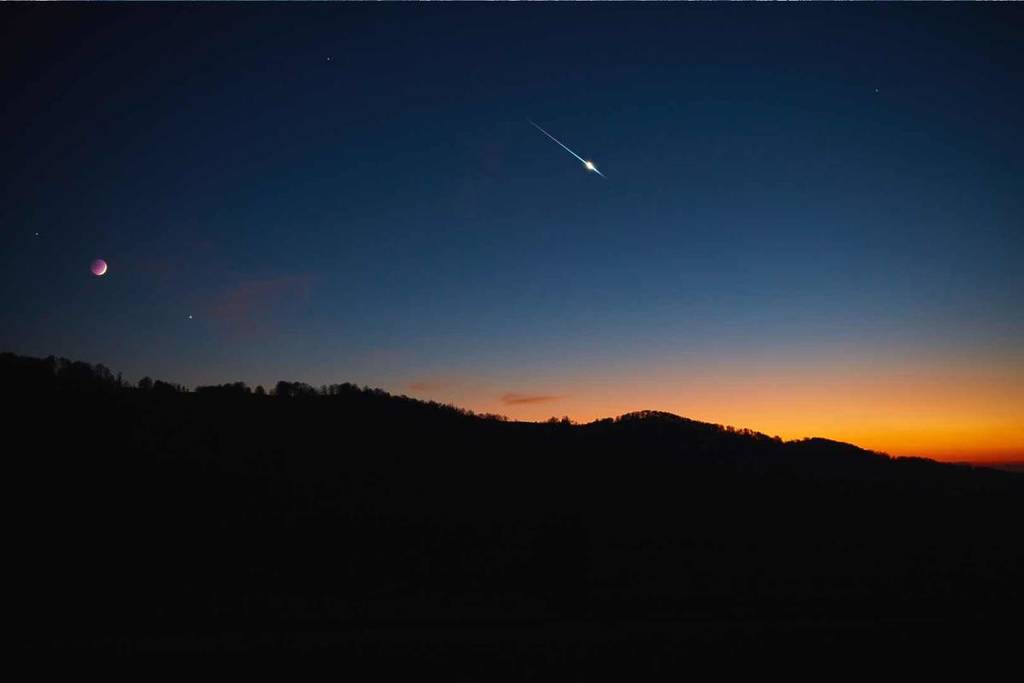
This year, the Lyrid meteor shower will be visible from April 14 to 30. According to StarWalk, its peak is expected during the night of Wednesday, April 22, to Thursday, April 23. The celestial spectacle will then reach its peak between 9:30 p.m. and 2:30 a.m., with an average of 18 shooting stars per hour—about one every 3.5 minutes. This number can rise to as many as 90 meteors per hour if luck is on your side!
Luck is on our side this year because, unlike in previous years, the Moon’s brightness shouldn’t interfere with the show. Our satellite will simply accompany the spectacle with its slender, twinkling crescent.
Where can you enjoy the Lyrid meteor shower in Marseille?
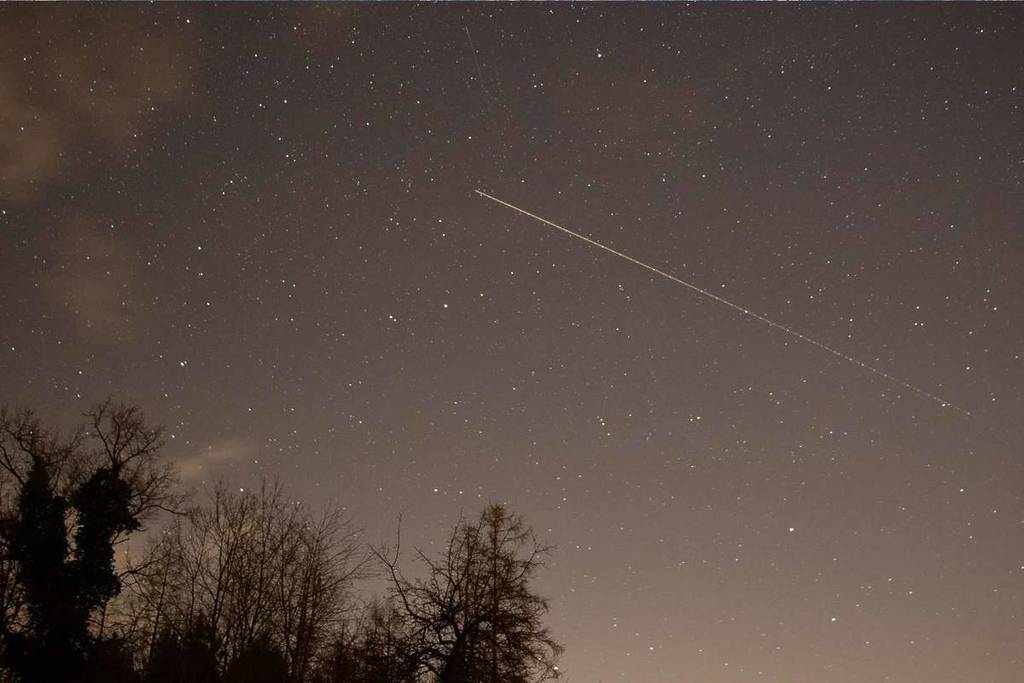
To best observe the Lyrids, locations far from artificial lights are ideal. It’s also best to choose an open area and, if possible, one at a higher elevation. Finally, look toward the constellation Lyra and its bright star, Vega. It will be in the northeast at dusk, then rise high in the sky toward the east as the night progresses. Feel free to use the Sky Tonight app to help you find your way.
No need to bring your telescope or binoculars: the meteor shower is perfectly visible to the naked eye—provided the sky is clear, of course!