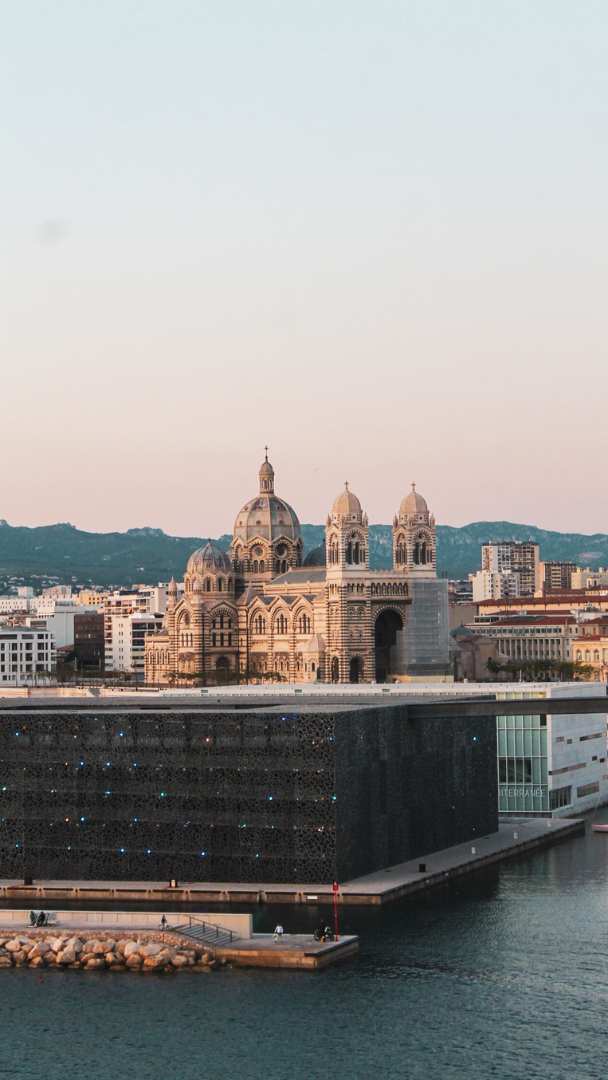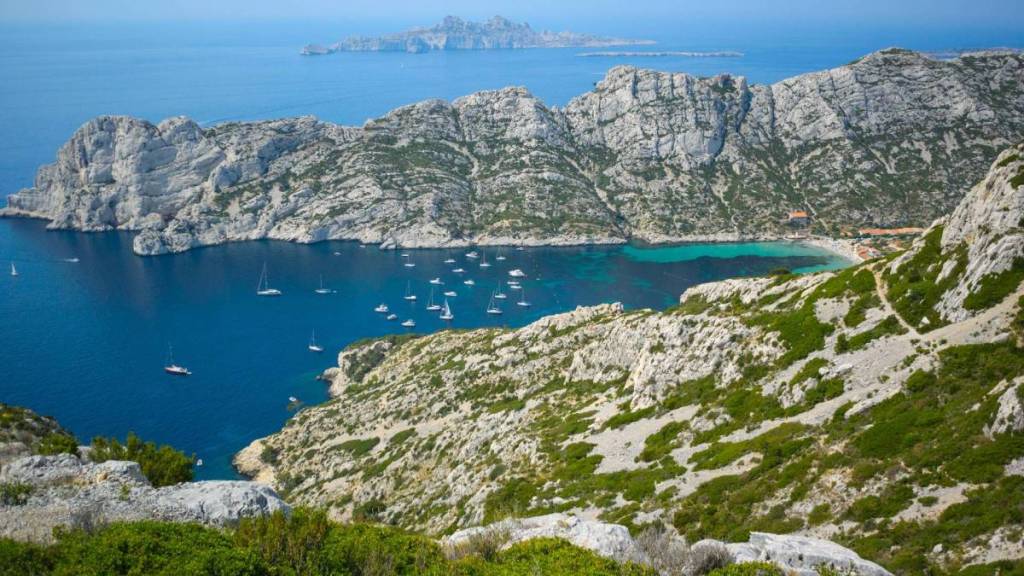

The Calanques, the iconic mountain range between Marseille and Cassis, have just been named the world’s best hiking destination by a study conducted by Sportshoes, a British platform specializing in running andthe outdoors. The methodology: an eye-tracking analysis conducted with 200 participants across 64 iconic sites, measuring both the duration and frequency of gaze fixation on each landscape. The result: a score of 94 out of 100 propels the Marseille mountain range to the top, ahead of the Plitvice Lakes in Croatia (2nd), the Swiss Lauterbrunnen Valley—which inspired Tolkien’s *The Lord of the Rings* (3rd)—and the Inca Trail leading to Machu Picchu in Peru (4th).
A mountain range ranked number one in the world
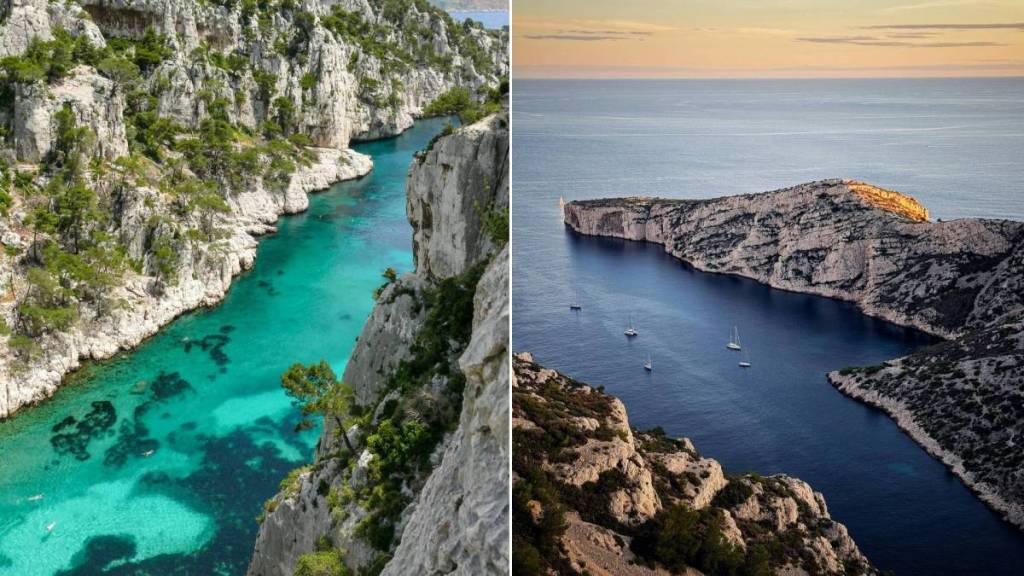
The Calanques stretch over 20 kilometers between Marseille and Cassis, traversed by the GR 98, a trail with a wide range of difficulty levels: easy family-friendly walks on some sections, and technical routes reserved for experienced hikers on others. White limestone cliffs plunging into the Mediterranean, turquoise waters, and fjord-like coves: the site checks all the boxes that have boosted its eye-tracking score. The
The massif is also considered the historic birthplace of scuba diving in France. Established in 2012, the Calanques National Park protects 8,500 hectares of land and 43,500 hectares of marine area.
Must-See Spots in the Massif
Three coves account for most of the visits: Sormiou and Morgiou, accessible on foot from Marseille’s southern neighborhoods, offer the easiest trails. En-Vau, a more deeply incised valley, remains one of the most photogenic, with its turquoise waters framed by white cliffs. Callelongue, the last fishing hamlet before the massif, is often the starting point for the longest hikes.
The downside of the ranking: visitor numbers to watch
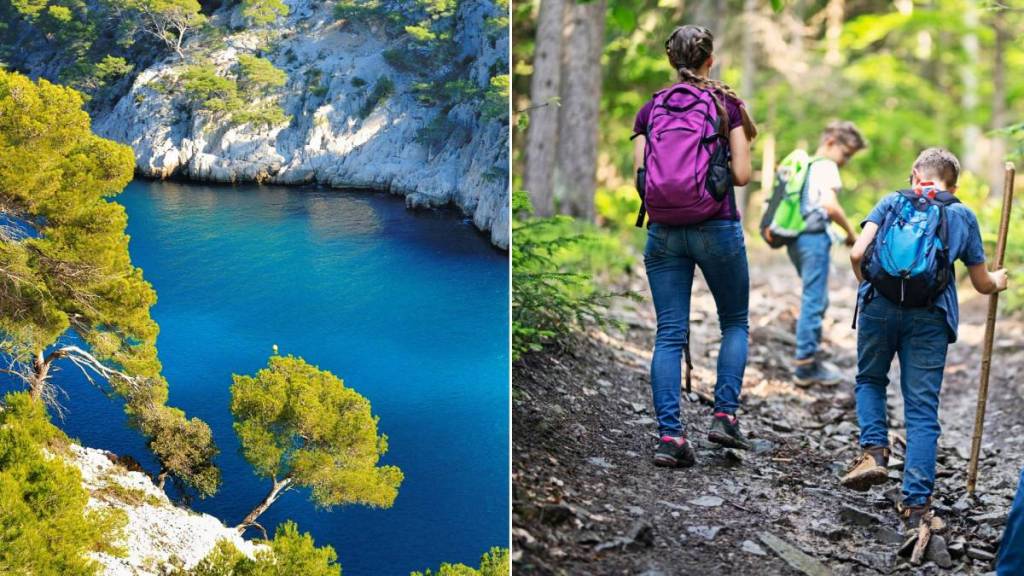
This new global title reignites a very real concern: the massif already welcomes between 3 and 4 million visitors per year, according to the National Park. The Sugiton Calanque illustrates the measure taken in response: between mid-June and mid-September, access there is now limited to 400 people per day, down from 3,500 previously, with a mandatory reservation system put in place to allow the vegetation to regenerate.
Good to know – The park’s rules are strict: no trash cans or restrooms on the trails, and boaters are prohibited from anchoring in Posidonia seagrass beds, an endemic plant essential to the marine ecosystem.